



Salt Market in 2026: Why Salt Still Shapes Global Trade
Explore the 2026 salt market, uncover key trends, and see where demand is rising. Stay ahead of global trade shifts and future sourcing opportunities.
200+ buyers trust Torg for sourcing







Salt seems to be an easy product, but it is still a major factor in global trade. In 2026, purchasing departments, distributors, wholesalers, and retailers still require that they have a steady supply of large quantities of salt for the production of food, making of chemicals, and the purification of water. It is the ingredient that maintains the running of factories, the stability of supply chains, and the flow of product lines.. Demand grows in different industries, and the market shifts with it. So, what should professionals expect? Changing sourcing routes, evolving quality requirements, and more competition for reliable suppliers. Salt remains a critical commodity, and smart planning keeps businesses ahead in a market that never fully slows down.
Global Salt Market: Size, Segments, and Supply Chains
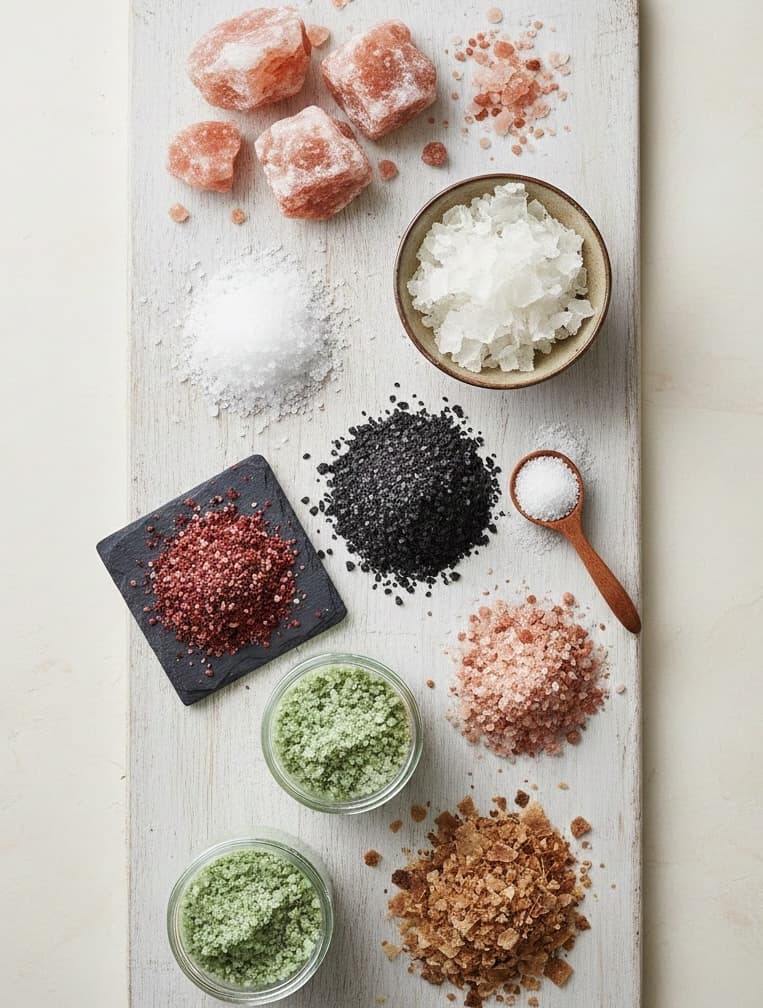
The Rise of Artisan Salt Producers: Svl Batches, Big Flavor
Salt moves quietly through nearly every supply chain, which explains its steady growth. In 2025, the global salt market stood at USD 26.92 billion and it can rise to USD 27.9 billion in 2026, with projections reaching USD 39.38 billion by 2034 at a 4.4% CAGR.
The growth is due to salt being more than table salt. It serves food processing, water treatment, chemical manufacturing, de-icing, agriculture, and many other industrial needs. It’s also about volume, reliability, and daily necessity. From kitchens to factories, salt keeps flowing, rarely noticed, yet always needed. That consistency, more than excitement, keeps the market expanding year after year, even as other ingredients rise and fall with trends.
Market Segmentation: Types, Uses, Channels
Salt comes in different varieties. The market is segmented based on product types such as rock salt, solar salt, vacuum-evaporated salt, and brine.
- Rock salt — extensively extracted, economical, generally utilized for industrial purposes, de-icing, bulk chemical feedstock.
- Solar salt — derived from seawater evaporation, used in chemical processing, water treatment, sometimes food-grade processing when purity is acceptable.
- Vacuum-evaporated salt — a higher-purity product, often chosen when industries need consistent salt quality (for certain chemical, water treatment, or food-processing uses).
- Brine / liquid salt solutions — also part of industrial supply chains, used especially where salt needs to dissolve easily or be processed further.
On the application side, salt is used in: chemical processing (chlor-alkali, soda ash, caustic soda), water treatment, food processing, de-icing, textiles or agriculture, depending on region and demand.
Among these, chemical processing often leads demand because salt remains a critical feedstock for building basic industrial chemicals.
The combination of different kinds and usages of salt—unrefined salt from the mine, salt from evaporation, salt of high purity—provides the suppliers with the opportunity to customize the product to the customer's needs: water treatment, chemicals, food-processing, utility companies, agriculture, or de-icing. The matter of choice is important.
Regional Dynamics: Who Produces, Who Buys, Who Moves Salt
By far, the Asia-Pacific region is the largest contributor to the global salt market. In 2025, the region of Asia-Pacific made up nearly 46.5% of the world's total salt demand. The industrial sector fueled this dominance due to the booming food sectors, growing infrastructure, and increased consumption of water treatment.
- At the same time, salt-producing countries span many continents. The top producers globally include China, India, United States, Germany, Canada and Australia. Many of these have both natural salt deposits and access to coastlines which helps with production and export logistics.
- Salt trade flows show healthy global movement. According to a recent “top exporters” list, global salt exports rose from about 52 million metric tons in 2014 to an estimated 63.5 million tons in 2024. That jump signals that demand is widespread, cross-border supply chains remain active, and many buyers rely on imports, not just local production.
- In some regions, supply-side shifts are noticeable. As production slows or stabilizes in certain traditional producers, other countries fill the gap. For example, exporters in India and Australia have reportedly stepped up output and shipments to meet demand in neighboring and distant markets.
- For wholesalers, distributors, and buyers — this means you must watch not just demand trends, but where salt is coming from. Export patterns, shipping routes, trade regulations, and even seasonal variations can affect whether salt you ordered today arrives on time next month.
Supply Chain Highlights & Trade Dynamics
- Transport costs are still unpredictable. Salt moves in bulk, and shipping lanes are crowded. When freight rates swing or ports slow down, delivery schedules and budgets feel the hit. People in sourcing teams now check timelines twice, sometimes three times, before signing anything.
- Buyers want visibility across the chain. Recently, many industrial customers ask direct questions about how salt is mined, processed, and handled. They want environmental and labor standards confirmed before they approve a new supplier. It is no longer about cheap volume alone.
- One supplier isn’t enough anymore. Trade lanes can shift overnight due to global tensions or port labor issues. That is why more buyers are spreading their orders across several regions. It helps steady the flow when one route suddenly slows down.
- Quality requirements are climbing. Demand for high-purity vacuum-evaporated salt keeps rising in water treatment and chemical manufacturing. “Good enough” is not the default. Reliable specs and documentation matter, and they matter a lot.
- Transport eats margins fast. Salt is heavy, and the value per ton is low. When container prices rise, or ships get stuck in queues, the whole deal becomes more expensive. Some distributors now bake in risk costs from the start, just to stay ahead.
- Growth continues, but only for those who adapt. Industrial consumption is still increasing — chemicals, de-icing, refining, and other sectors keep needing salt. But suppliers and wholesalers able to secure stable extraction, processing, and trade channels will gain the most ground.
What’s Driving Demand: User Behavior and Market Trends
Demand keeps shifting. Buyers focus on what keeps factories running, supply chains steady, and products compliant. Some needs grow fast, others quietly expand in the background. Salt moves with these changes because it supports everyday production, not just food.
Salt Demand Beyond the Kitchen
Industrial consumption is the largest shareholder. One of the main raw materials for chemicals such as caustic soda and soda ash is salt. Urban expansion contributes to the increase in water treatment plants, construction sites, and manufacturing facilities. These industries are growing at a fast rate, and the consumption of salt is increasing along with them, though at a slow and steady pace.
Food Industry & Changing Consumption Patterns
Demand for regular table salt remains stable. A wide variety of salt is a must for processors, from restaurants to packaged foods. The figures even reveal an increase from 8.7 billion USD in 2025 to 11.1 billion USD by 2030. Also, there are some manufacturers who experiment with low-sodium mixtures while also launching new flavor salts. The fastest growth, however, continues to be driven by convenience foods.
Industrial Diversification and Emerging Uses
Salt has become a necessary material in different areas such as water treatment plants, agriculture, new purification tech, and various industrial processes. So, if a particular sector is not doing well, the rest of the sectors are there to continue the consumption, and that's how the demand remains stable. This balance is the main factor behind the continuous growth over a long period of time and also, buyers are getting more stable volume of their orders.
What’s New in 2026: Developments, Innovations, and Market Shifts
Fresh changes are shaping salt trade and sourcing. Some demand higher-grade salt, some shift where salt comes from, others watch regulatory pressure. All of this affects sourcing decisions, pricing, and long-term reliability.
- Adapting to Quality & Purity Needs
More buyers now require vacuum-evaporated salt, or high-purity grades for water treatment or chemical use. Salt suppliers who meet these standards stand out. Quality, not just volume, matters. This leaves low-grade salt behind. - Trade Flows and Export Patterns in Flux
Salt exports have climbed steadily over the past decade. Producers from stable regions — solar-evaporation zones or large rock-salt reserves — now feed markets where local supply shrank. Some long-time exporters shrink output, while others step up. Routes change, volumes shift. - Environmental & Regulatory Pressures (and Adaptations)
Increasing regulation on salt mining and salt-pond impacts pushes producers to adopt greener methods. Solar evaporation, controlled evaporation techniques, and lower-impact operations gain ground. This may change which countries lead the salt trade next.
Opportunities & What Future Looks Like

The need for salt is still on the table. It's not going anywhere but it's changing, moving, and expanding in various places. So, that situation is still open to distributors, wholesalers, and retailers who are market-savvy. The coming years may be calm, but there will be decisions to be made that only clever sourcing can figure out.
Growth in Specialty and High-Purity Salt
Vacuum-evaporated, refined, and water-treatment salts are turning into high-demand options. More industrial buyers want quality they can rely on. This offers better margins than bulk rock salt. If suppliers can deliver consistency, paperwork, and real specs, they will be the first ones buyers call. Simple, but strong.
Serving Expanding Food and Processing Industries
Processed food demand keeps climbing, especially in developing markets. That means more food-grade salt orders, and more recurring contracts. It’s all about steady supply, clean labeling, and safe handling. Retailers and distributors who invest early can hold the line, lock good deals, and build long-term relationships.
Water Treatment and Industrial Clients Need Reliable Supply
As cities grow, water systems struggle to keep up. Treatment plants and even chemical plants always need salt. And because these buyers rarely pause production, they depend on consistent deliveries. If you’re able to prioritize reliability, and maybe offer multiple grades, your salt becomes part of their core operations.
Smarter Sourcing Across Regions
What happens when one port slows down? Or a region cuts output? Sourcing from more than one country gives distributors an advantage. They can shift routes, avoid delays, and offer customers stability. In trade, flexibility isn’t an option anymore. It’s the thing that separates winners from the rest.
Top-Rated Salt Suppliers on Torg
MORTON CHINA NATIONAL SALT (SHANGHAI) SALT CO., LTD. – China
A trusted global supplier with strong industrial capacity. Morton offers consistent salt quality for food processors, distributors, and water-treatment buyers. They focus on reliability, product safety, and broad shipment capability. Their range spans table, industrial, and specialized salts. Clear specs help buyers avoid surprises, which keeps long-term sourcing stable.
SABOO SODIUM CHLORO LTD. – India
Saboo brings refined salt from clean subsoil brine sources, which supports purity and compliance. They supply industrial salt, table salt lines, and solutions for de-icing or manufacturing. In India, they are known for scale, steady logistics, and flexible exports. Buyers looking for value, quality, and dependable volumes keep them on the shortlist.
UNITED SALT CORPORATION – USA
United Salt serves multiple industries, from agriculture to food processing and de-icing. They focus on on-time delivery and strong service relationships. Buyers appreciate straightforward communication, verified quality, and North American supply reliability. If you want reduced lead-time risks, or prefer US-based procurement, they are a practical option.
Conclusion
Salt has shaped trade for centuries, and it still holds that place today. But the future won’t be as simple as moving tons from point A to point B. Costs shift, standards rise, and unexpected supply issues can pop up. Buyers should stay flexible with sourcing, diversify partners, and pay closer attention to purity requirements. Suppliers, on the other hand, can’t rely only on volume. Investing in high-grade products, transparent practices, and logistics strength will matter more each year. If both sides plan ahead, salt remains a steady business, even in a world that never stays still for long.
Request a Bulk Order Quote
Simple ordering, transparent pricing, delivered straight to your door