



Cheese Market Boom: Premiumization, Snacking, & New Formats
Discover the global cheese market boom: premiumisation, snacking trends, new formats, and sourcing opportunities for the cheese category.
200+ buyers trust Torg for sourcing







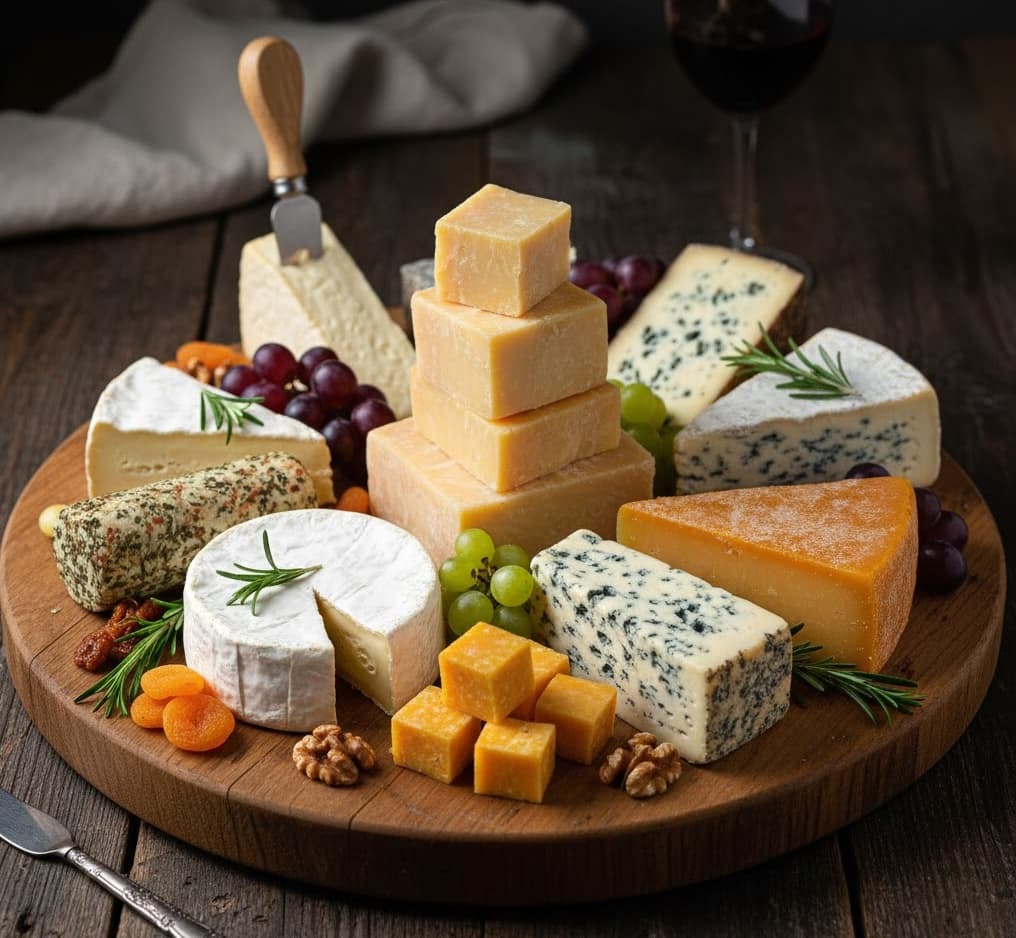
The cheese category today feels different from the one most buyers remember. Shelves keep shifting, new formats are also showing up quietly, and snacking habits reshape what moves fastest during the week. Some products attract some attention even without much promotion, while others rely on clever packaging or flavour twists to stand out. For distributors and retailers, these changes raise practical questions: Which formats deserve more space? Where is demand building? And how do sourcing teams prepare for a market that keeps widening? This guide breaks down the landscape so you can track what’s changing and where the next opportunities might open.
Cheese Market Size, Growth, and Projections
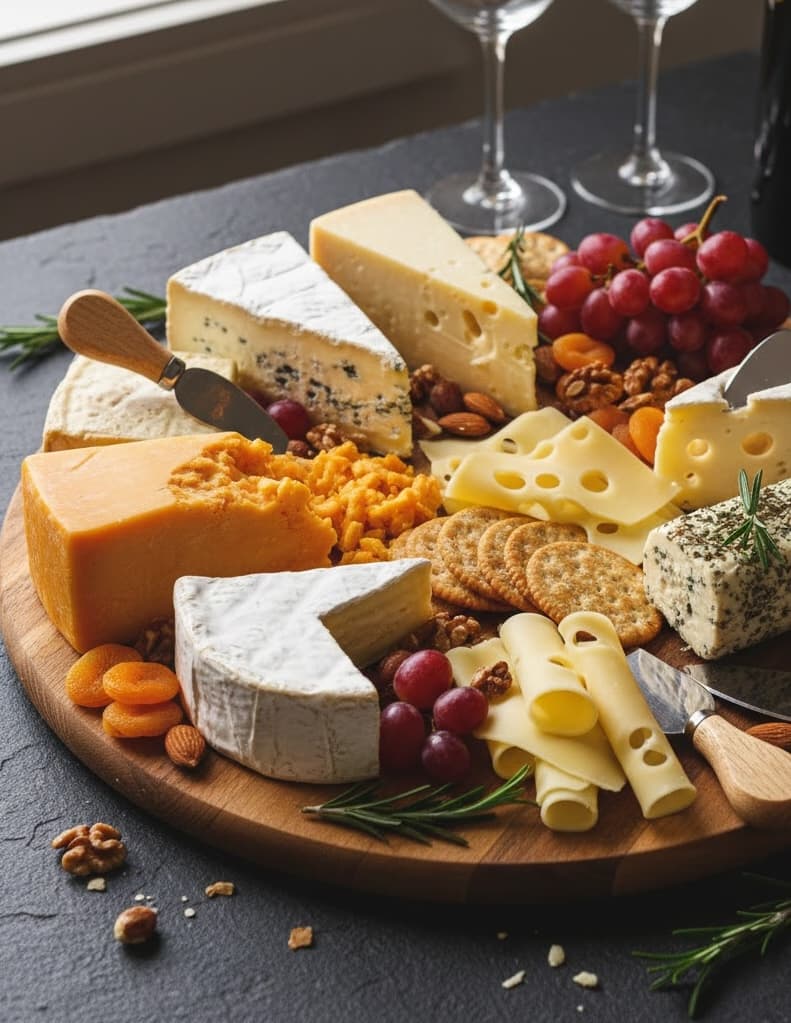
Cheese keeps expanding its footprint, not through novelty, but through routine. In 2025, the global cheese market stood at USD 216.47 billion and is expected to move to USD 228.81 billion in 2026, and it is on track to approach USD 376.83 billion by 2035, holding a 5.7% CAGR along the way.
What sits behind that climb feels familiar. Cities keep growing. Eating habits keep shifting. Western-style meals, snacks, and quick-service food slide into daily life, one plate at a time. People experiment, then stick with what works. “Why not add cheese?” becomes a default choice, not a special one. As tastes broaden and access improves, cheese moves from occasional indulgence to regular staple, quietly anchoring growth across households, foodservice, and retail shelves.
Market Segmentation
- Cheese splits into many small lanes, and each one moves with its own pace. You’ve got cheddar and mozzarella driving volume; Parmesan and feta shaping value; and a growing set of plant-based alternatives finding space where shoppers want dairy-free options.
- Formats are just as varied—blocks, shreds, spreads, slices, cubes, pairing trays—each one appealing to different buying habits. Retail and convenience stores lean heavily on ready-to-use formats, while online shoppers prefer portioned packs that store well. Foodservice, of course, pulls large blocks and consistent melts.
For sourcing teams, the segmentation isn’t just a category map. It influences margins, packaging, delivery cycles, and supplier choice. Knowing which lane your assortment lives in helps avoid overstocking the wrong formats and underestimating the styles that quietly rise in demand.
Regional Insights
Europe & the U.K.
Europe still holds a big slice of the global cheese market — around 35% share in recent years. The region has long traditions, strong export networks, and high per-capita consumption. But it also has tight regulations and high labour costs. For suppliers and buyers, Europe demands premium formats and a consistent quality record.
North America
The U.S. and Canada continue as major consumers and trend-shapers. With mature demand and high consumption per person, North America sets flavour, packaging, and format benchmarks. But milk supply pressure, cost escalation, and regulatory shifts are real challenges. If you plan on sourcing for this market, processing capacity, cold-chain reliability, and packaging innovation matter.
Asia-Pacific & Latin America
These regions may not consume as much cheese per person yet, but the curve is changing. In parts of Asia-Pacific and Latin America, shoppers are picking up items they didn’t buy a few years ago: cheese slices for sandwiches, small snack packs, pizza cheeses. It hints at a market that isn’t saturated, just opening up at its own pace. Formats need to be smaller, price-sensitive, and adapted in flavour. Logistics are also less fixed. For suppliers: that means flexibility and regional adaptation beat scale in many cases.
Supply Chain & Trade Insights
- Milk supply in the “Big 7” exporting dairy regions is forecast to rise just 1.6 % in 2025 and 0.6 % in 2026, meaning expansion is modest and pressure on fresh processing remains.
- The recent U.S. all-milk price forecast has been lowered to about USD 21.35 per hundredweight, down from earlier estimates, reflecting higher expected supply.
- Global dairy supply shapes cheese flows in 2026. Recent industry updates show strong milk output continuing into 2026, which helps cheese production stay high, even as demand near term is mixed; that can soften cheese prices but expand exportable volumes for major producers.
- Exports are on the rise, but routes vary. Data suggests cheese exports could exceed 620,000 metric tons in 2026, with competitive pricing boosting shipments, especially out of major producing countries, while regional demand patterns shift where product moves first.
- Variety is stretching operations in new ways. As plant-based options and small-batch cheeses grow alongside core cheddar and mozzarella, producers juggle more inputs, packaging formats, and cold-chain requirements, which makes planning less linear and pushes teams to coordinate across more moving parts.
- Trade rules are changing again: U.S. imposes a 39% tariff on Swiss dairy resulting in exporters now dealing with tighter margins and less predictable quota access. It’s a reminder that pricing can move overnight when policies change.
For sourcing teams, the safest move is keeping suppliers flexible, watching cost swings closely, and tracking transport routes as they shift. It’s easier to adjust when your network isn’t tied to one path.
Why People Reach for Cheese More Often

Cheese keeps slipping into more moments of the day. People snack later, mix cheese with quick bites, and fold it into global dishes without thinking twice. "Meltability" helps too. It works in ready meals, sandwiches, even reheated leftovers. Retailers who place cheese near bread, dips, or wraps often see small lifts. Those tiny, everyday choices shape category movement more than big trends.
Premiumisation & Specialty Varieties
Interest in well-made cheese keeps rising. Shoppers look for aged blocks, artisan batches, goat or sheep styles, and blends with deeper flavour. These items feel more thoughtful, which helps justify higher prices. Distributors who bring them in early often stand out, since premium cheese behaves differently on shelves and avoids competing directly with standard commodity options.
Snacking Formats & On-the-Go Cheese
Cheese is now part of quick eating—lunchboxes, work breaks, late-night fixes. Small cubes, paired snacks, cheese sticks, and tidy mini portions are moving faster than traditional blocks. These formats shape packaging choices and force suppliers to think in smaller, more convenient SKUs. Buyers focusing on snacking lanes usually notice stronger rotation and easier cross-merchandising opportunities.
Health, Clean Label, & Alternative Sources
Interest in production methods is rising because people want cheese they can trust, not because they’re chasing trends. They’re choosing products that feel straightforward, from farms that handle things responsibly. At the same time, dairy-free lines grow as shoppers look for lighter options. For sourcing teams, the work shifts toward verifying claims and choosing partners who can back them up consistently.
Global Flavours & Format Innovation
Cheese now shows up in unexpected places—Latin snacks, Asian-inspired dishes, flavoured cubes, spice-heavy blends, even hybrid snack bites. These twists give retailers something interesting to test without huge risk. When buyers try new flavours early, they often catch curiosity waves before they peak, securing shelf spots that competitors struggle to claim later.
Recent Developments & Format Innovation

Cheese keeps shifting in small but noticeable ways. New formats show up, labels look clearer, and distribution behaves differently depending on region. These updates matter because they change how products move and how sourcing teams plan ahead.
New Formats, Plant-Based Move, & Packaging Smarts
Snack-friendly cheese formats are gaining ground because they fit into quick routines, not because they chase trends. Small cubes, portion trays, and dips slide easily into lunchboxes or late-day snacking. Plant-based blocks earn space by behaving like the originals. Packaging helps too—tight seals and simple openings reduce waste. With so many new SKUs, the brands that streamline their ranges stay more dependable.
Supply Chain Tech & Ingredient Sourcing
Producers are upgrading equipment to improve yield, shorten changeovers and keep recipes consistent across batches. Milk sourcing is also shifting toward controlled farms that offer predictable quality. Vegan and blended cheeses require separate processing paths, adding complexity. Export-ready wheels tailored for regional markets appear more often. These adjustments strengthen the chain but require closer alignment with suppliers.
Global Distribution & E-Commerce Growth
Cheese is settling comfortably into online baskets now that shoppers trust home delivery for chilled items. The products that move fastest are the ones that pack neatly and survive quick transit—small blocks, paired snacks, simple bundles. This puts pressure on cold-chain timing, not just temperature. Distributors who smooth out fast-turn deliveries usually see customers come back without hesitation.
Sustainability, Traceability, & Premium Positioning
More producers are recording farm-level data, cutting whey waste and reducing packaging weight. These changes aren’t for show—retailers treat them as signals of long-term reliability. Carbon-minded packaging, simple ingredient lists, and visible sourcing details help cheese stand out without heavy marketing. Buyers often choose suppliers with transparent practices because the products maintain steadier quality and justify premium placement.
Regional Adaptation & Emerging Market Opportunity
Cheese demand is rising across Asia-Pacific and Latin America, shaped by westernised diets and new snacking habits. Products adjust to warmer climates, varied spice preferences ,and smaller household sizes. Lighter packs, milder flavour blends, and affordable tiered pricing work well. For sourcing teams, success usually depends on tailoring SKUs to local routines rather than sending one global version everywhere.
Where Growth Still Lives
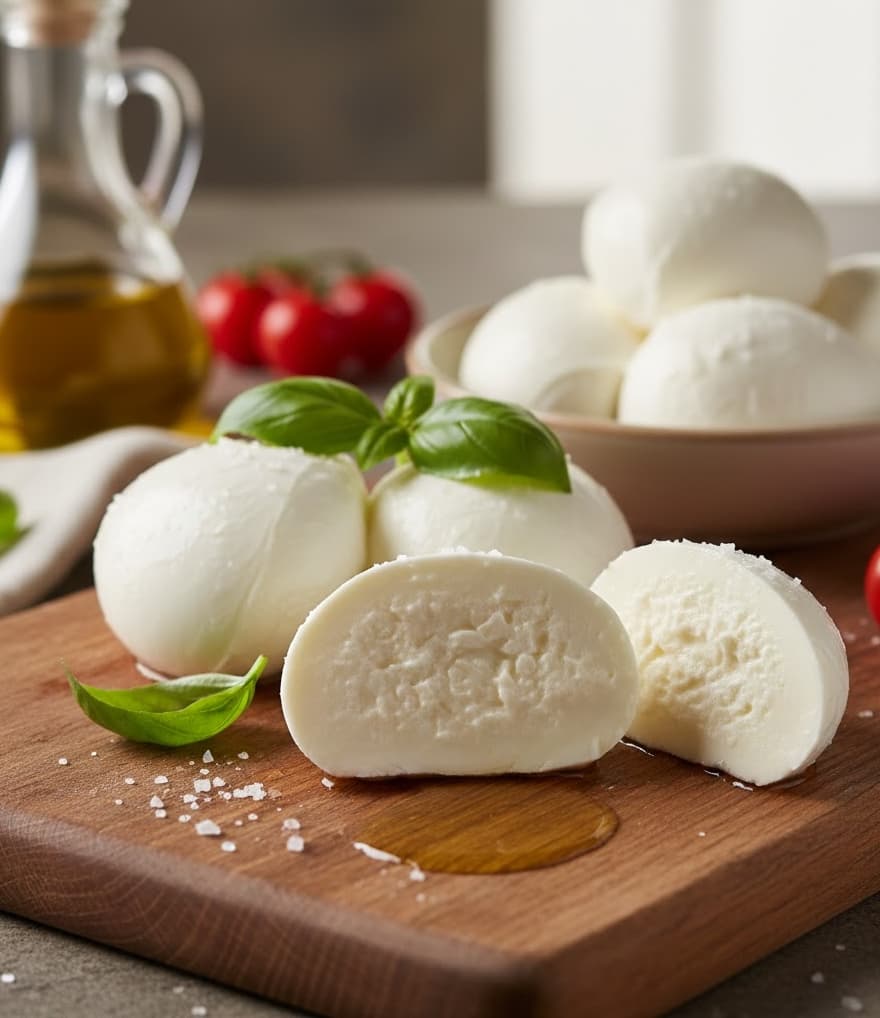
Growth is strongest where cheese fits into simple habits—small bites, fast meals, and portions that don’t overwhelm smaller households. New blends, snack-style packs, and dairy-free choices help widen that window. Markets with lower cheese familiarity are starting to warm up too. Private-label lines gain traction when suppliers tailor pack sizes or flavour profiles to local shopping patterns.
Private-Label & Format Customisation
Private-label works best when retailers use it to solve specific gaps instead of copying what's already there. Tweaks in flavour strength, portion size, or packaging layout can make the range feel more intentional. These fine-tuned versions often stand out beside national brands. And when the requirements are clear from the start, the whole line stays steadier and easier to grow.
Featured wholesale products
Image unavailable
Burrata Cheese with Italian Milk 200g
Image unavailable
Image unavailable
Image unavailable
Processed Cheese Gouda Style 10kg

Premiumisation & Ingredient Differentiation
Shoppers continue leaning toward cheeses with a story—aged varieties, heritage milk sources, or unique textures that feel crafted rather than mass-produced. These products carry stronger margins when the positioning stays honest and simple. Distributors who introduce premium options early often claim stronger shelf presence before competitors arrive. Provenance and clear ingredient details help reinforce that premium feel.
Multi-Channel Distribution Strategy
Cheese doesn’t move the same way in every channel. Supermarkets lift steady everyday sales, convenience stores favour fast-grab portions, online orders push smaller packs, and foodservice needs large, consistent blocks. Distributors who cover all channels avoid sudden dips caused by shifting shopper routines. A broad placement strategy keeps the category stable even when demand patterns swing unexpectedly.
Top-Rated Cheese Suppliers on Torg

DIE KÄSEMACHER GMBH – Austria
Die Käsemacher builds its range around sheep- and goat-milk cheeses that carry a clear regional identity. Their antipasti mixes, stuffed varieties and small gourmet add-ons give buyers something with character, not just volume. These products work well in premium shelves where flavour and story matter. Retailers often choose them when they want items that feel handcrafted but still scale smoothly.
TROFODOTIS SA – Greece
Trofodotis SA blends Greek dairy tradition with steady modern output, which helps them serve both everyday and specialty categories. Their portfolio spans yogurts, soft cheeses, Mediterranean styles, and imported premium options. Vacuum-packed lines support longer transport routes without compromising texture. Buyers looking to round out a diverse cheese selection often rely on them for consistent flavour and dependable supply.
EMMI LANGNAU AG – Switzerland
Emmi Langnau focuses on semi-finished and finished cheese formats that suit foodservice, manufacturing and retail. Their offer includes fondue mixes, melt-ready cheeses, fresh options and vegan alternatives. The company keeps processes transparent and stable, which helps sourcing teams reduce uncertainty. Their products perform well in markets where predictable melting behaviour, clean labels, and sustainability commitments guide purchasing decisions.
Final Thoughts
The cheese market keeps moving, sometimes in small steps, sometimes in sharper shifts, and it rewards teams who read those changes early. New formats, steadier supply lines, cleaner labels, and broader flavour ideas all shape how products perform once they hit the shelf. It helps to work with suppliers who can adjust quickly and stay transparent. Retailers and distributors who match formats to local habits, manage channel differences, and keep an eye on sourcing quality tend to hold their ground even when demand swings. Cheese isn’t slowing down, so the advantage goes to those who plan with intention.
Request a Bulk Order Quote
Simple ordering, transparent pricing, delivered straight to your door