



The Expansion of Mexican Food: Trends Shaping 2026
Discover how Mexican food is expanding, driven by new formats, cleaner ingredients, regional demand shifts, and evolving supply chains shaping global growth.
200+ buyers trust Torg for sourcing







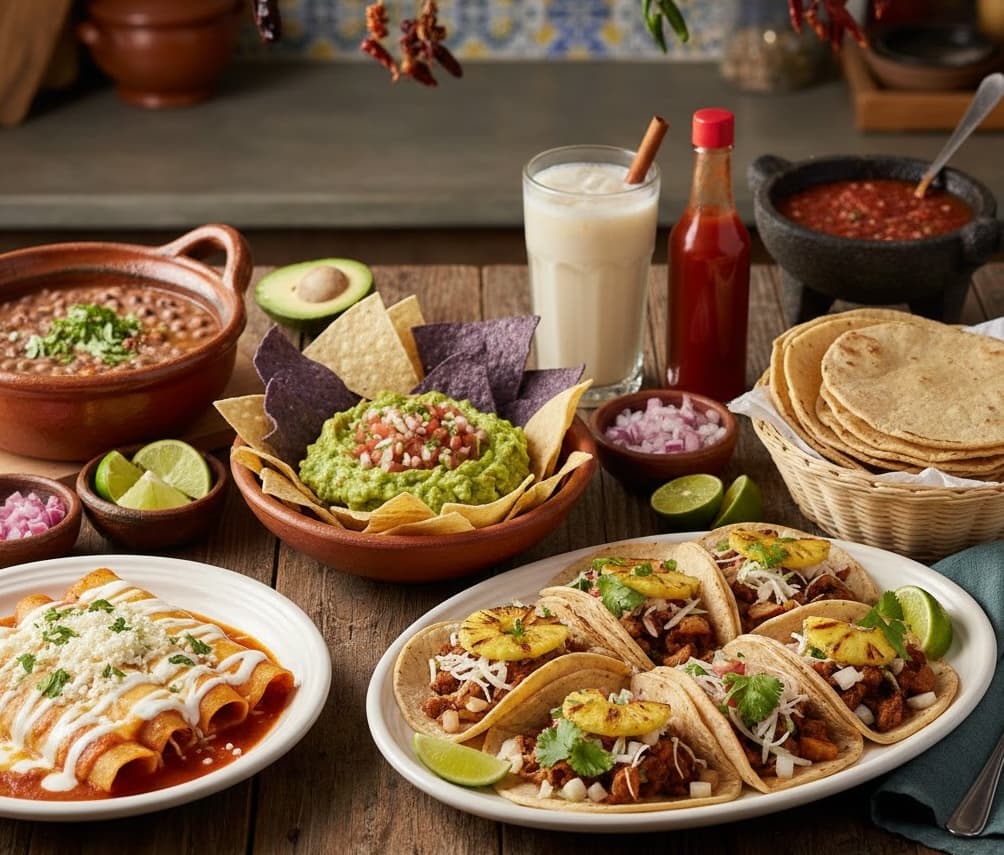
The rise of the Mexican food market feels less like a trend and more like a shift you notice while walking through warehouses or checking weekly movement reports. Products that used to sit quietly—taco shells, mole sauces, pickled jalapeños—are suddenly moving faster, almost catching some retailers off guard. Buyers mention how these items “just work” across meal occasions, and distributors appreciate how predictable the category has become. Somehow the flavours travel well, the formats stay flexible, and the margins hold steady. For anyone managing assortment, sourcing or private-label expansion, the momentum behind Mexican food is becoming too consistent to ignore.
Market Landscape & Growth Dynamics
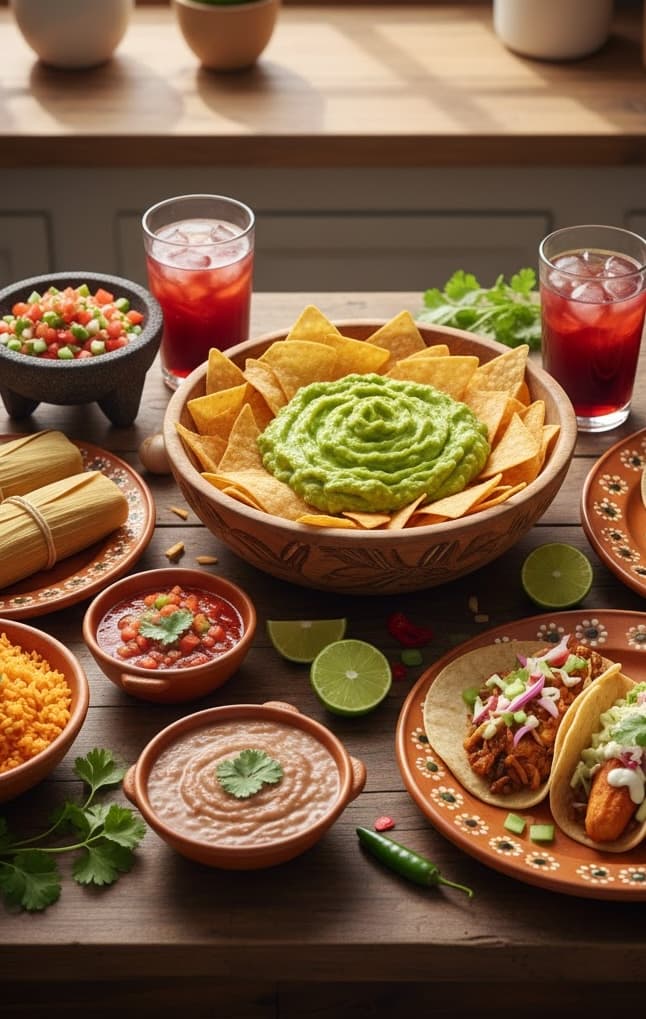
The Mexican food category has been growing in a way that feels steady and, somehow, easier to track than other global cuisines. The numbers line up too. Recent estimates show the category picking up real weight. Fortune Business Insights notes Mexican food sitting at USD 21.70 billion in 2025 and steadily climbing toward USD 35.77 billion by 2032.
At the same time, Technavio sees another USD 114.3 billion in potential growth through 2029, signaling a market that’s expanding faster than many expected.
For wholesalers, retailers, and distributors, this shift says something simple: Mexican food isn’t a niche anymore. It’s basically becoming a dependable mainstream category that people buy on autopilot—taco kits for weeknights, frozen burritos for quick meals, and sauces that fit multiple cuisines.
Market Segmentation
- The category stretches across all kinds of formats now. There's tortillas, burritos, sauces, condiments, full meal kits, and a fast-growing list of frozen Mexican options.
- And because these products show up in every channel—from supermarkets to online stores—the pace varies. Some items move quickly in digital baskets, while others perform best in-store. Knowing which lane your product fits into guides smarter sourcing and packaging choices.
Regional Insights
North America (USA & Canada) — the dominant base
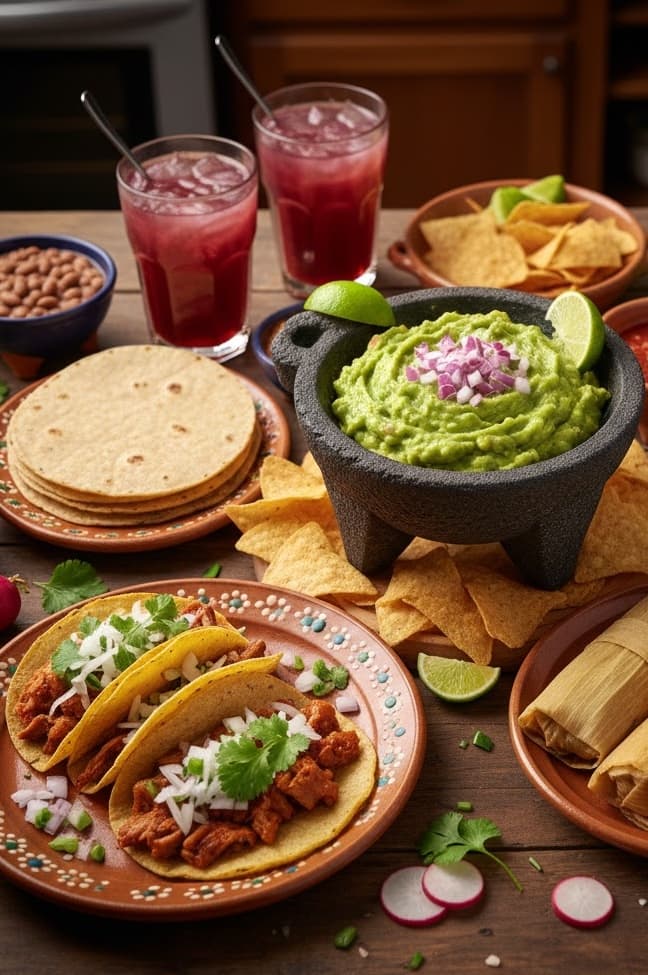
North America held roughly 36.3% of the global Mexican-food market. That means the U.S. and Canada aren’t just big consumers; they’re trend-setters. For distributors, this signals that product launches in this region often define what other regions will follow. Because tastes, logistics and retail channels are already mature here, testing formats or customising packaging here gives strong clues for global adaptation.
Asia-Pacific & Latin America — the fast-rising frontiers
Asia-Pacific and Latin America are picking up momentum simply because the everyday shopper is changing. More people live in cities, have slightly more to spend, and are curious enough to try new flavours. For suppliers tapping these regions, the products that stick are usually the ones adjusted for local taste, tighter budgets and pack sizes that feel practical, not excessive. The growth numbers may be smaller today compared to North America, but the percentages move faster. That often means opportunity for early entrants.
Mexico & Core Ingredient Hubs — production & export flow
Mexico continues to play a key role in production of core ingredients: corn tortillas, beans, chilies. Logistics, tariffs, trade flows matter especially when exporting. For example, Mexico’s efforts to boost white corn output under the “Harvesting Sovereignty Program” show how production pressures may shift. For buyers and importers that means watching raw-material sources, transport times, import duties and how those factors affect final cost.
Supply Chain & Trade Insights
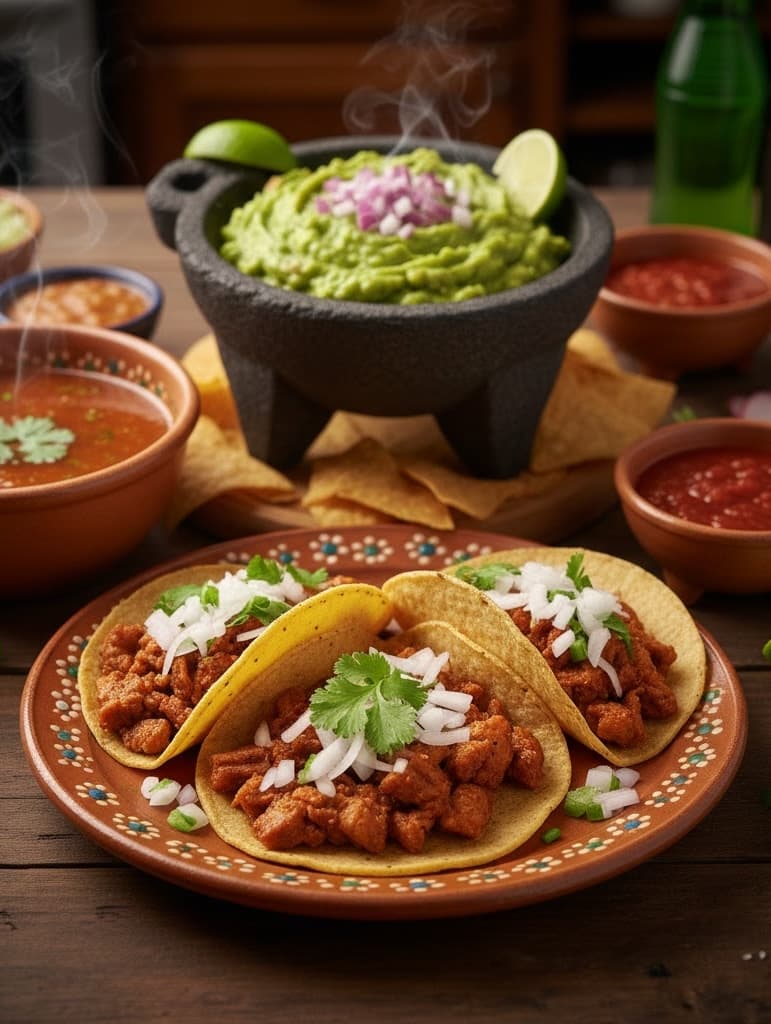
Sourcing Mexican-food formats this year means navigating a few real trade and logistics issues. Here are the key ones:
- Raw-material pressure: Corn, beans, chilies are under stress because of weather shifts and competing uses globally.
- Transportation costs: For instance, shipping grain to Mexico shows cost changes—truck and barge rates vary, impacting landed cost.
- Processing scale: Demand for frozen meal kits or ready-to-eat Mexican formats means suppliers must have modern processing lines—without that, sourcing becomes risky.
- Packaging & format innovation: Shorter shelf-life formats, global shipping, small‐batch runs all require flexible packaging and smarter logistics.
- Regulation & trade compliance: Import certification, tariff exposure for sauces and meal kits, labelling rules—all these affect margin and time-to-market.
For distributors: choosing suppliers who understand and plan around these factors now will make a difference.
Why Buyers Lean Toward Mexican Formats
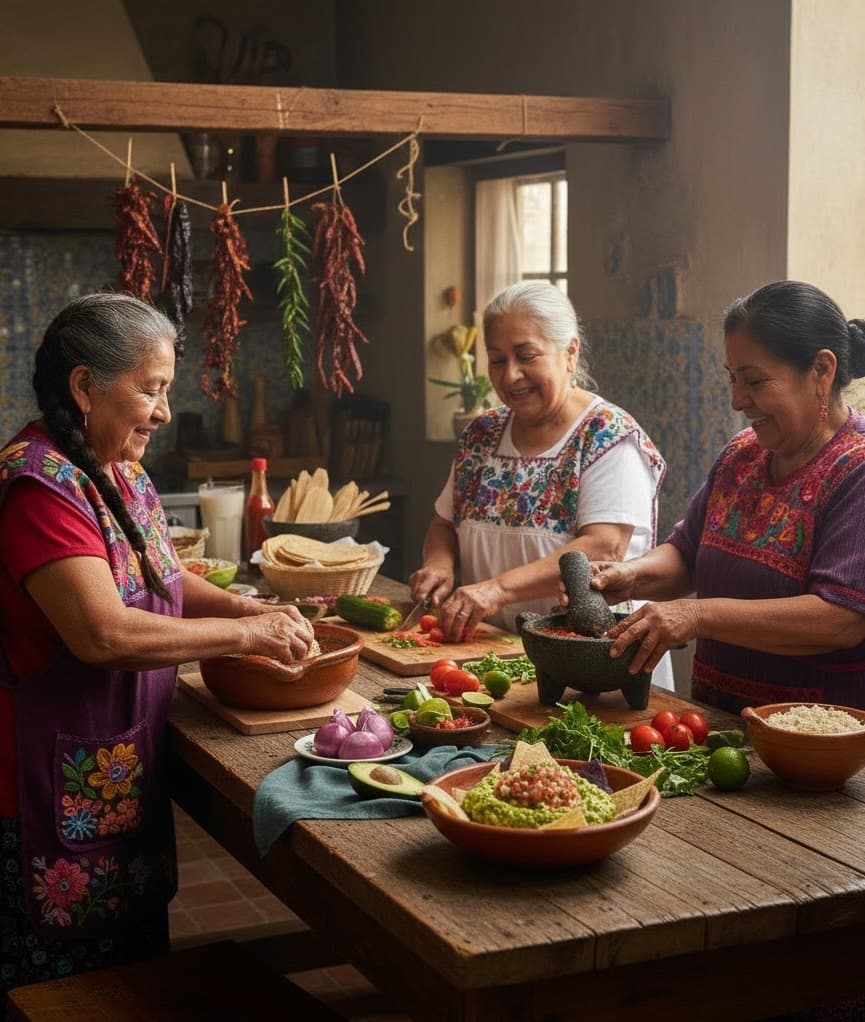
Mexican products appeal because they fit into everyday eating without much effort. They’re bold, flexible, and somehow familiar even for people far from the cuisine. Retailers notice that these items work across snacks, quick meals, and shared dishes. Consumers just want flavour that feels real, and evidently Mexican formats deliver that without complicating preparation or pricing.
Health-Driven Choices and Ingredient Clarity
People aren’t ignoring flavour, but they also want products that look cleaner on the label. Beans, corn, fresh-style sauces and simple spice blends naturally feel wholesome. This makes Mexican formats an easy pick for buyers aiming for plant-based or high-fibre shelves. Distributors actually prefer suppliers who show clear sourcing and keep formulations straightforward, not overly engineered.
Convenience and Expanding Meal Occasions
Mexican food slips into more meal slots than before. Somehow it works for breakfast wraps, midday bowls, late-night snacks, or quick microwavable meals. Retailers love that range because it boosts rotation throughout the week. Buyers who stock portable burrito bowls, snack-size tacos and heat-and-eat kits usually see steady movement, especially in stores where convenience drives most decisions.
Global Taste Meets Local Adjustment
Even as Mexican flavours travel, people still want something that fits their own palate. So suppliers adjust heat levels, ingredient mixes and packaging styles depending on where the products land. This localisation actually helps retailers avoid flavour overload or mismatched spice profiles. The formats that succeed usually strike a balance—authentic enough, but still comfortable for regional preferences.
Familiarity, Flexibility, and Shelf Performance
Buyers appreciate categories that behave predictably, and Mexican formats often do. They rotate well on shelves because the products feel practical: tortillas store easily, sauces pair with different meals, and frozen kits offer backup options at home. This flexibility somewhat reduces risk for distributors. When demand stays stable across seasons, it quietly supports better sourcing choices and long-term planning.
Recent Developments & Innovation Highlights
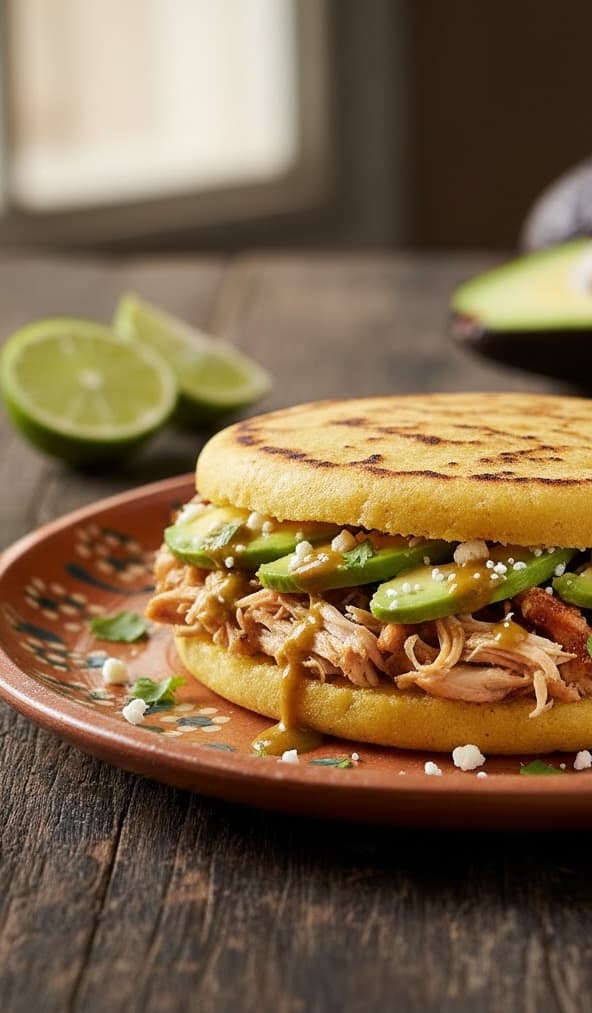
Mexican-food products are changing fast, and the updates actually matter for buyers who watch rotation, logistics and shelf behaviour. These developments show where demand is leaning and where sourcing strategies need small adjustments that pay off over time.
Ready-Meal Kits & Frozen Mexican Formats
Ready-made Mexican kits and frozen burritos are growing because they solve a basic problem: people want fast meals that don’t taste flat. These formats depend on reliable freezing, steady shelf-life and packaging that holds up in transit. Plants with solid cold-chain control usually stand out, and retailers notice how these items move steadily during heavier after-work shopping hours.
Digital Ordering & Channel Shift to Online Retail
Mexican ready meals perform surprisingly well online. Click-and-collect baskets, home delivery, and D2C channels push consistent orders for bowls, tacos, and heat-and-eat kits. Retailers see higher conversion because shoppers browse quickly and “just add” familiar items. For distributors, this shift means stocking flexible case sizes and maintaining delivery accuracy. Channel mix actually influences which SKUs rise first.
Ingredient Innovation: Clean Label & Better Sourcing
Brands now highlight non-GMO corn, heirloom beans, and responsibly grown chilies because shoppers watch labels closely. Transparent sourcing—naming farms or regions—helps products stand out without trying too hard. This approach supports premium pricing and builds trust. Buyers who prefer clean-label items often stick with suppliers that keep formulations simple, natural and evidently consistent across batches, avoiding unexpected ingredient changes.
Format Innovation: Snack Size & Fusion Flavours
Mexican formats are moving into snacks—mini tacos, tortilla chips with unusual twists, smaller bowls that fit busy schedules. Fusion flavours, like kimchi taco or chipotle mango, somehow attract curiosity without losing the core identity. These smaller SKUs rotate quickly, giving distributors reliable volume. Retailers appreciate how snack formats fill gaps between meals and create spontaneous add-to-basket behaviour.
Sustainability in Sourcing & Packaging
Sustainability is influencing decisions in quieter ways now. Buyers notice when a product feels “lighter” on the supply chain—less plastic, clearer sourcing, fewer surprises in quality checks. Ingredients coming from stable, well-managed farms often behave better in production too. When teams work with suppliers who manage these details well, day-to-day operations become easier and the partnerships last longer.
Regional Expansion & Emerging Market Penetration
Mexican food is entering Southeast Asia, the Middle East and parts of Africa where familiarity is growing but still forming. Distributors must plan around shelf-life, spice calibration and packaging sizes that feel practical locally. When products land correctly—neither too spicy nor too plain—they gain traction. Somehow these emerging markets respond strongly to balanced flavours and clearly labelled ingredient information.
Where the Momentum Is Really Coming From
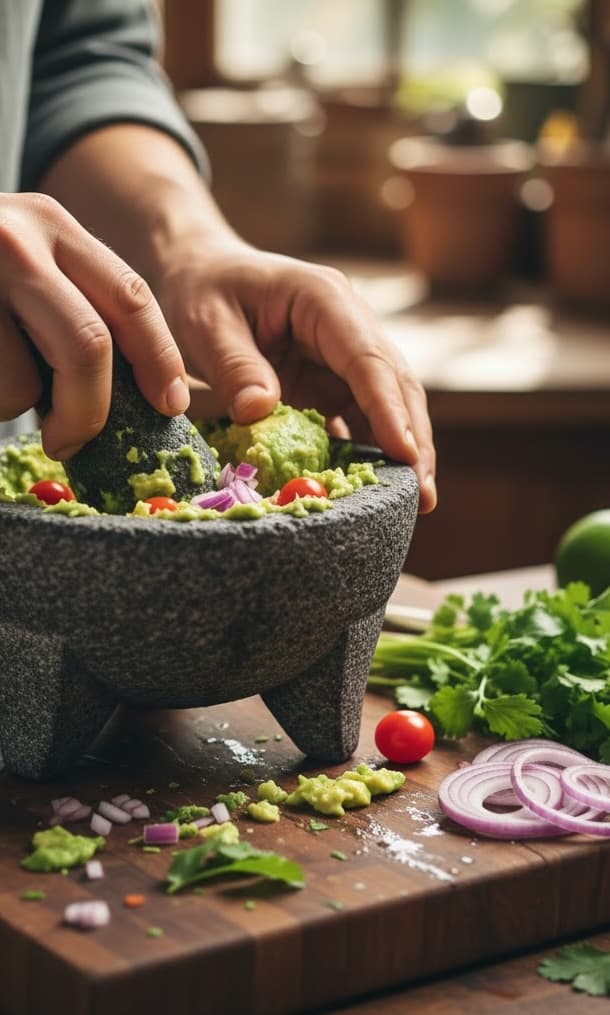
The rise of Mexican food in global markets doesn’t feel sudden. It feels earned. Buyers, retailers and distributors are noticing gaps in certain regions where demand grows the moment products become accessible. The opportunities aren’t loud or dramatic; they show up quietly in sales reports, repeat orders and the way shoppers gravitate toward flavour-forward items that still feel practical.
New Openings Across Developing Regions
Some regions like parts of Africa, Southeast Asia, and non-Mexican Latin America are still early in their adoption cycle. Consumption is low, but curiosity is high. Once the products land at fair prices and in familiar formats, traction builds. Retailers who start early usually find fewer competitors and better negotiating ground, especially when adjusting spice levels or pack sizes for local comfort.
Private-Label as a Strategic Shortcut
Many retailers want tighter control over pricing and assortment, so they lean toward private-label Mexican lines. These products—tortillas, sauces, taco kits—slot easily into store programs because suppliers now offer flexible SKUs and quick formula tweaks. It’s a simple way for wholesalers to stand out without relying completely on large brands that may not prioritise niche regional needs.
Featured wholesale products

Wheat Tortillas 10 pack 15 cm 300g
€0.27
Image unavailable

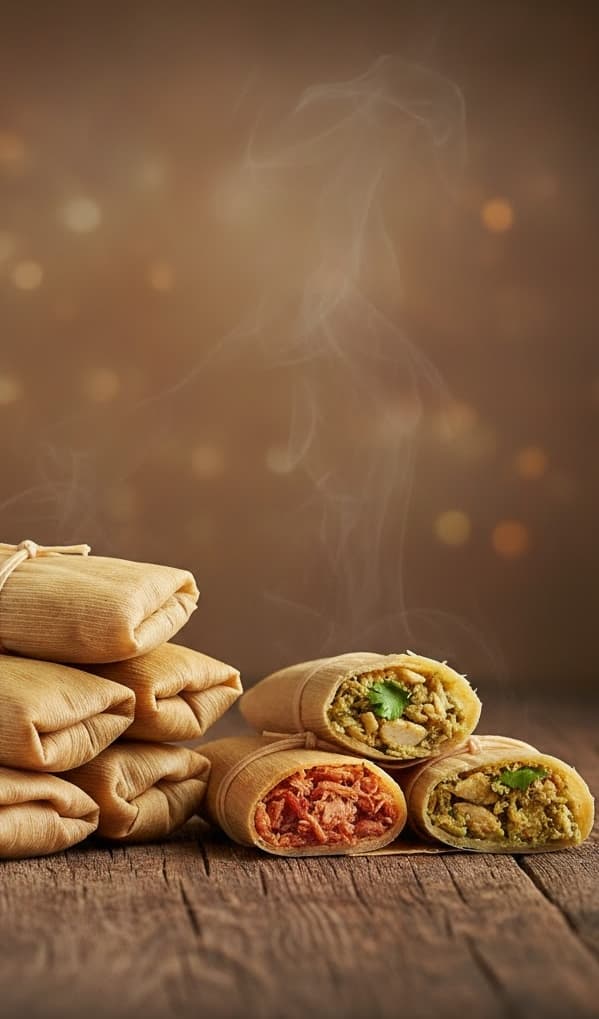
Premium Lines Built on Real Ingredients
There’s growing space for premium Mexican products, but not in a flashy way. What pulls shoppers in is the sense that the ingredients are genuine including heritage corn, carefully sourced chilies, or beans with regional identity. When these details are highlighted clearly, retailers gain room for higher margins without alienating price-sensitive customers. It’s subtle, but the difference is noticeable on shelves.
Stronger Reach Through Multiple Channels
Mexican formats behave well across channels. Meal kits, sauces and pantry items travel smoothly online, while frozen burritos and wraps still thrive in physical retail. Foodservice pulls demand in a different direction with bulk, consistency, and speed. Distributors who prepare stock for all three paths tend to avoid bottlenecks, since the products naturally shift depending on season and shopper habits.
Efficiency Through Regional Processing and Local Taste
Supply chains benefit when production sits closer to raw materials—Mexico or nearby hubs—because it shortens transit time and lowers unpredictability. But localisation matters just as much. Adjusting flavours, spice intensity or pack sizes makes products easier to adopt in new markets. Buyers working with adaptable suppliers usually see fewer returns, smoother logistics and products that actually click with local shoppers.
Top-Rated Mexican Food Suppliers on Torg
Herdez S.A. de C.V. – Mexico
Herdez, a Mexican manufacturer, offers salsas, sauces and condiments that carry that “home kitchen” feel. Retailers appreciate how consistent the flavours are. Somehow the brand fits both everyday cooking and premium shelves, making it flexible for different price points and store formats.
Empacadora San Marcos S.A. de C.V. – Mexico
San Marcos offers a wide mix—beans, canned vegetables, salsas, even fruits in syrup—which gives distributors something dependable to work with. Their focus on freshness and straightforward flavours helps retailers stock items that move steadily. Products don’t feel complicated; they just fit into everyday meals. That practicality actually makes San Marcos a strong option for stores needing reliable rotation.
Moctezuma Foods – Czech Republic
Moctezuma Foods brings authentic Mexican tortillas and snacks into Europe without losing the flavour profiles people expect. Their yellow, blue and white tortillas are crafted using traditional methods, which gives them a distinct edge. Buyers like how the products adapt to both restaurants and retail. Items like tlayuda and flautas add variety, giving distributors something unique to offer.
Wrapping Up
The rise of Mexican food isn’t loud or dramatic; it’s actually very stable, practical, and somehow easy to track if you watch the right signals. Buyers and retailers see how these formats slip naturally into different meal occasions, while distributors appreciate the predictable movement across channels. The category grows because it’s flexible, flavour-forward and actually simple for shoppers to understand. For sourcing teams, the real advantage comes from working with suppliers who adapt, whether through cleaner labels, smarter packaging or regional flavour tweaks. With that combination, Mexican-food products become reliable performers rather than seasonal experiments, giving the category room to keep expanding.
Request a Bulk Order Quote
Simple ordering, transparent pricing, delivered straight to your door